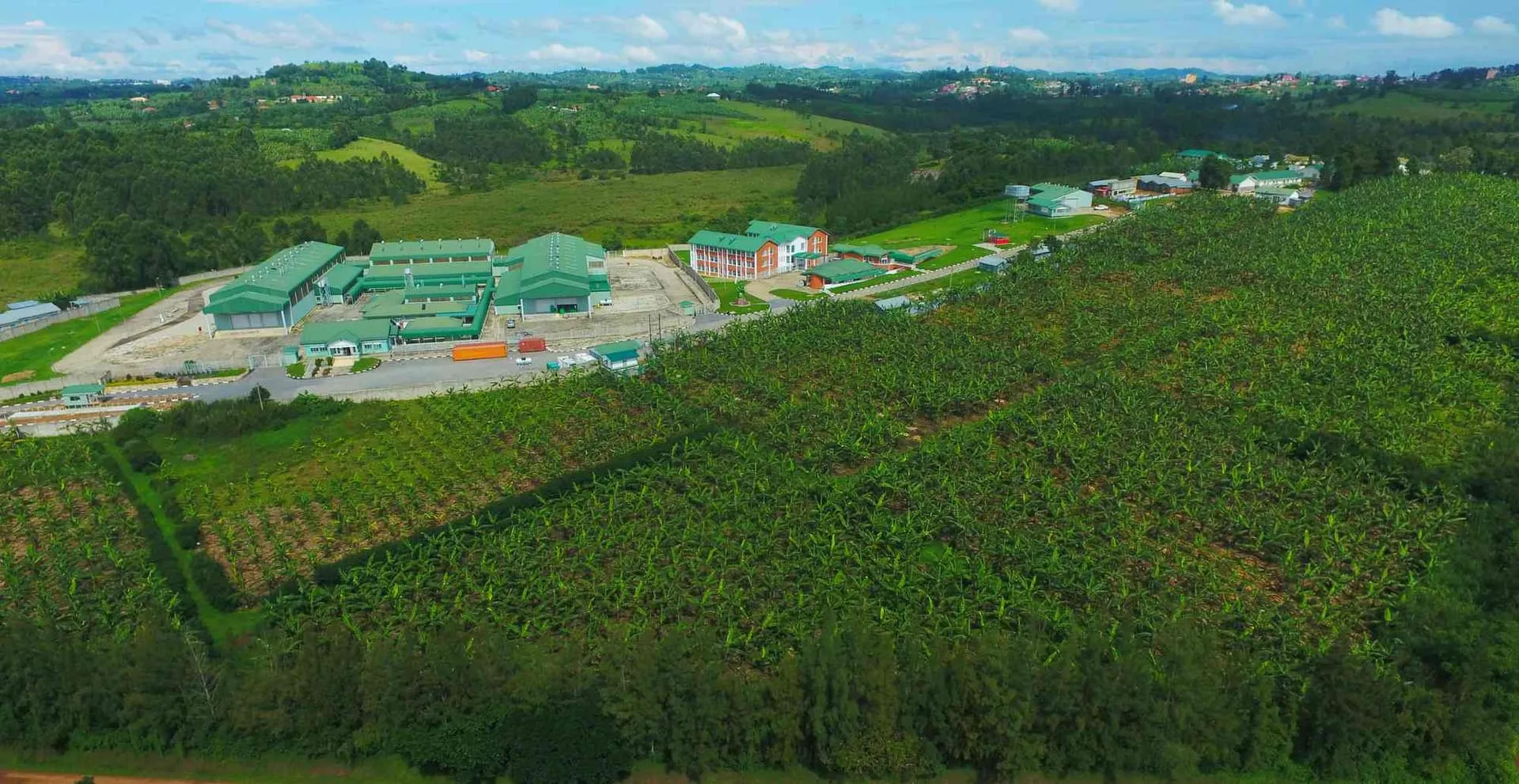
Farmer sourcing
How BIRDC describes Tooke’s farmer-sourcing model.
The model links banana sourcing, local coordination and farmer training. Current coverage, prices and measured outcomes should be confirmed with BIRDC.
The problem BIRDC set out to solve
Fresh matooke is perishable, so delayed market access and weak aggregation can reduce the value farmers retain. Processing and coordinated purchasing are intended to address that operating problem.
- Post-harvest loss risk for a perishable crop
- Dependence on middlemen and low farm-gate prices
- Limited access to processing, aggregation and better markets
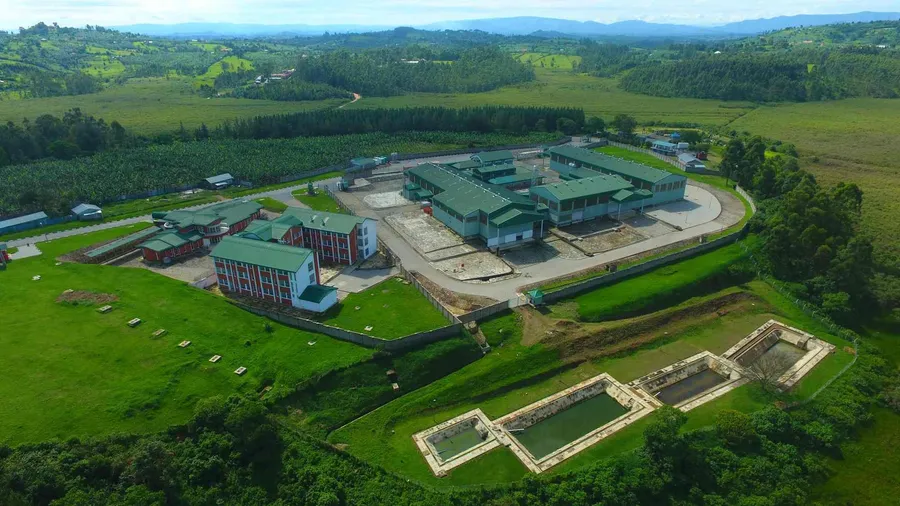
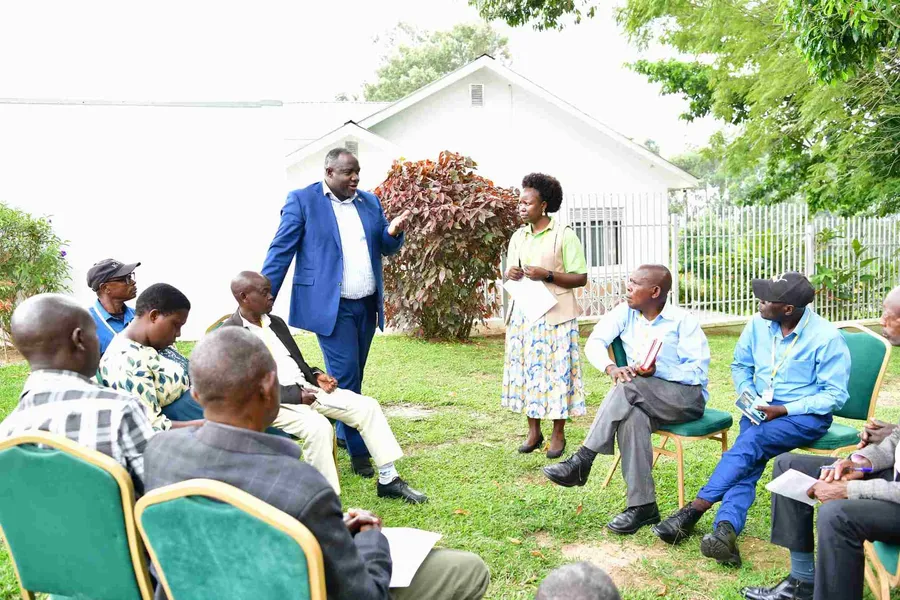
Community Processing Units as infrastructure
BIRDC’s supply model links growers into organised Community Processing Units so aggregation, basic processing, traceability and commercial coordination can happen closer to the source.
Traceability
Plantation to packet
Market logic
Purchasing terms available from BIRDC
Training and agronomic support
BIRDC describes farmer training as part of the sourcing model. Programme reach, curriculum and measured results should be read from current monitoring evidence rather than inferred from promotional copy.
Outcomes to verify
Ask BIRDC for the current baseline, target, measurement period and method before using a yield or loss-reduction figure.
Verify the farming standard
Farming practices can differ by grower and season. Buyers who require organic or low-chemical sourcing should request the current standard, audit scope and certification evidence.

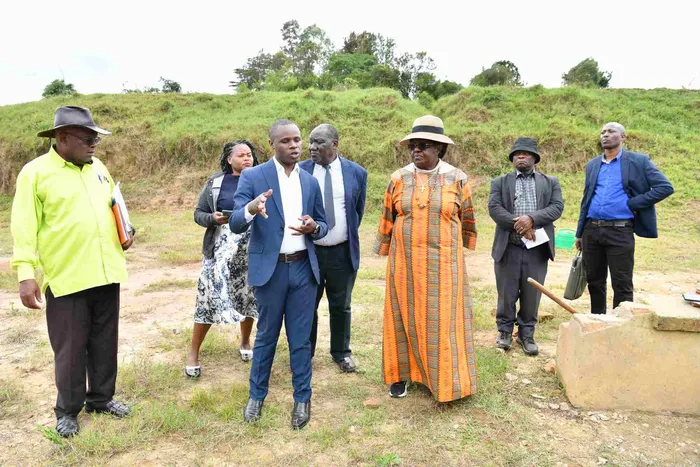

Community and market evidence
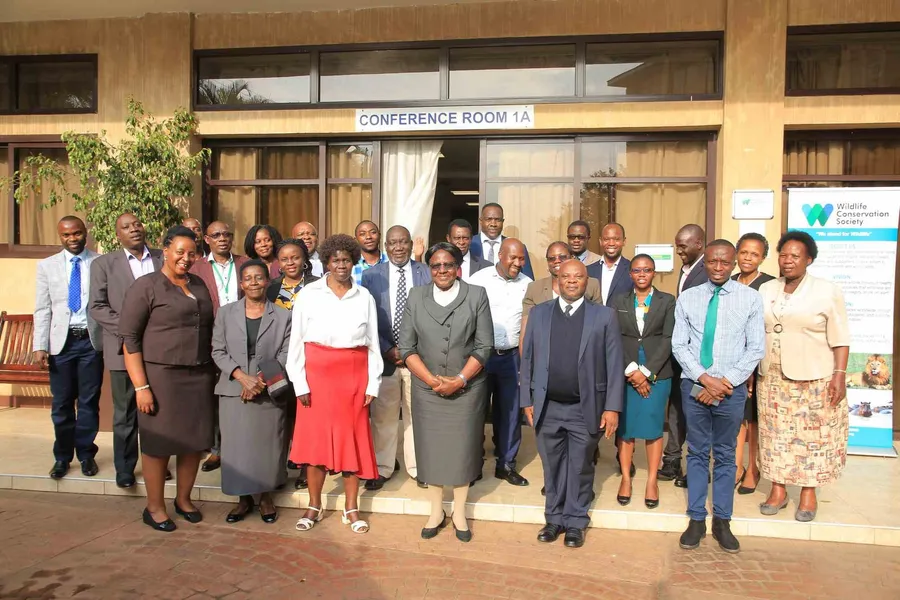
The photographs document community and institutional activity. They do not by themselves establish income, price, yield or loss-reduction outcomes.
Discuss sourcing or farmer-programme evidence
Contact BIRDC for current programme coverage, purchasing terms and measured outcomes.
Place an Order